

AWRA NCRS Symposium 2026
14th Annual AWRA National Capital Region Water Resources Symposium
Smarter Waters: AI in Water Management
University of the District of Columbia
UDC Student Center
4200 Connecticut Ave NW
Washington, D.C. 20008
The 14th National Capital Region Water Resources Symposium will be held on April 10, 2026, at the University of the District of Columbia. This one-day symposium brings together experts from governmental agencies, academia, the private sector, and nonprofit organizations to discuss challenges and opportunities for sustainable management of water resources and infrastructure in the region, as well as nationally and internationally. The symposium’s agenda is below.
Registration and Breakfast: 8:00 a.m.- 8:45 a.m.
Opening and Welcome: 8:45 a.m.- 9:10 a.m.
Opening Keynote: 9:10 a.m.- 9:35 a.m.
Break: 9:35 a.m.- 10:00 a.m. Visit the Exhibitors and Demo Stations (NASA, USGS, HRSD)
Plenary Session: 10:00 a.m.- 12:00 p.m.
Luncheon: 12:00 p.m. – 1:00 p.m.
Luncheon Keynote Speaker - 12:30 p.m. – 1:00 p.m.
Break: 1:00 p.m. – 1:15 p.m.
Concurrent Sessions 1 &2: 1:15 p.m. – 2:55 p.m.
Break: 2:55 p.m. – 3:15 p.m.
Concurrent Sessions 3 &4: 3:15 p.m. – 5:15 p.m.
Poster Presentations: 9:00 a.m. – 3:30 p.m.
Networking Reception /Poster Awards: 5:15 p.m. – 6:00 p.m.
You can view/download the full program for the symposium here.
Opening Keynote Speaker
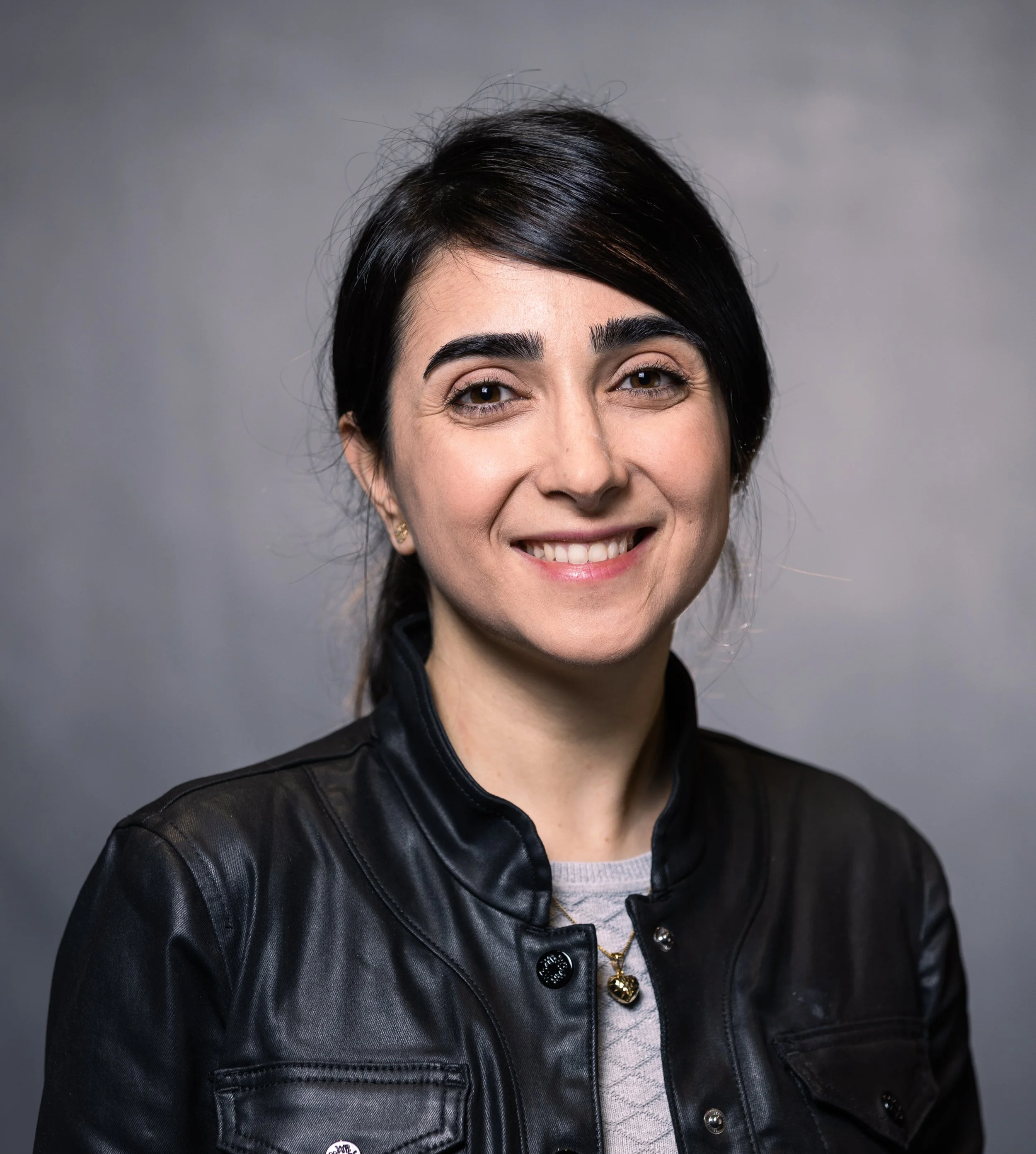
Mahya Hashemi
NASA’s Goddard Space Flight Center
Research Scientist
Mahya Hashemi is a Research Scientist in the Hydrological Sciences Laboratory at NASA's Goddard Space Flight Center. Her interdisciplinary research lies at the intersection of artificial intelligence, remote sensing, and geospatial analytics, with a focus on advancing our understanding of hydrological processes and the changing Earth system. Mahya has led and contributed to several projects developing novel AI and machine learning models for Earth observation, including large-scale geospatial foundation models, vegetation water content retrieval, and water quality estimation.
-
She currently leads a joint effort with Microsoft to develop a cloud-native AI system for drought monitoring and hydrological data analysis, integrating NASA's high-resolution NLDAS-3 (North American Land Data Assimilation System, Phase 3) data with Azure-based computing and AI services. Her work aims to improve water resource monitoring and support decision-making for drought resilience and sustainable water management.
Mahya received her Ph.D. in Civil and Environmental Engineering from Michigan State University, where her research focused on remote sensing of vegetation dynamics and hydrological processes.
Luncheon Keynote Speaker
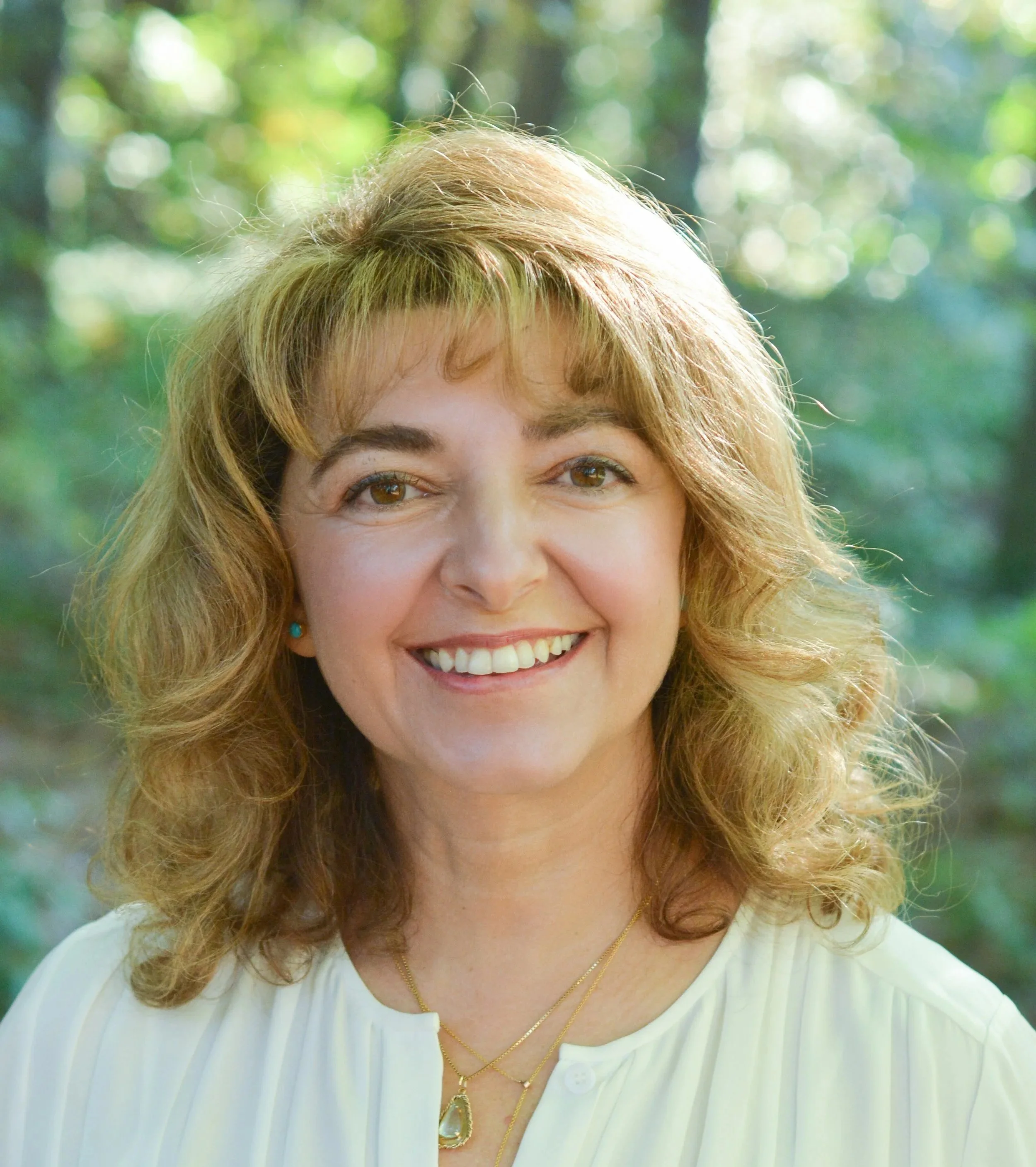
Gigi Karmous-Edwards
Karmous-Edwards Consulting
Chief Executive Officer
Over the course of more than 25 years, Gigi Karmous-Edwards has worked in various domains of digital technologies, spanning the Data Communications industry, Academia, and most recently, dedicating the last 13 years to the Water Sector. Gigi is the technical lead and Co-PI of a GenAI WRF #5321 (GenAI for the Global Water Sector) project. Gigi is the founder and former chair of the SWAN Digital Twin H2O Work Group, leads AI market insights at BlueTech Research as a Technology Advisor Group (TAG) member, and serves on the Advisory Boards of Veralto and Qatium.
Gigi has authored over 40 publications and frequently speaks at global conferences. As the CEO of Karmous-Edwards Consulting, she advises global utilities and technology companies on digital transformation and GenAI. She has a B.S. in Chemical Engineering and an M.S. in Electrical Engineering from North Carolina State University.
Plenary Session Expert Panelists
-
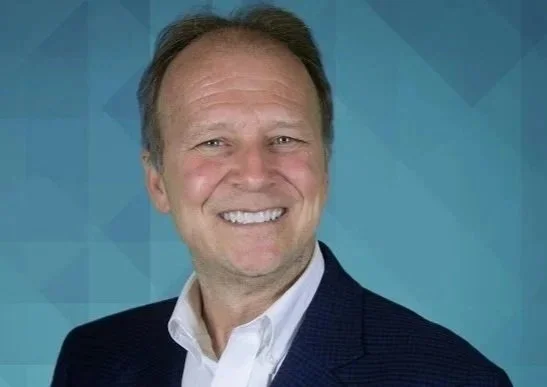
Robert Bornhofen
District of Columbia Water and Sewer Authority (DC Water)
Director, InnovationRead More
As the Innovation Leader for the District of Columbia Water and Sewer Authority (“DC Water”), Dr. Robert Bornhofen is tasked with formulating and executing a comprehensive strategy across the entire organization. He is a recognized speaker at various national and global water conferences with a focus on innovation. As an academic, Robert teaches innovation strategy at Cornell University and the University of Maryland. His past industry experience includes such well-known companies as IBM, Citibank, & Delta Air Lines. Robert holds two U.S. Patents for original & patentable technologies.
-
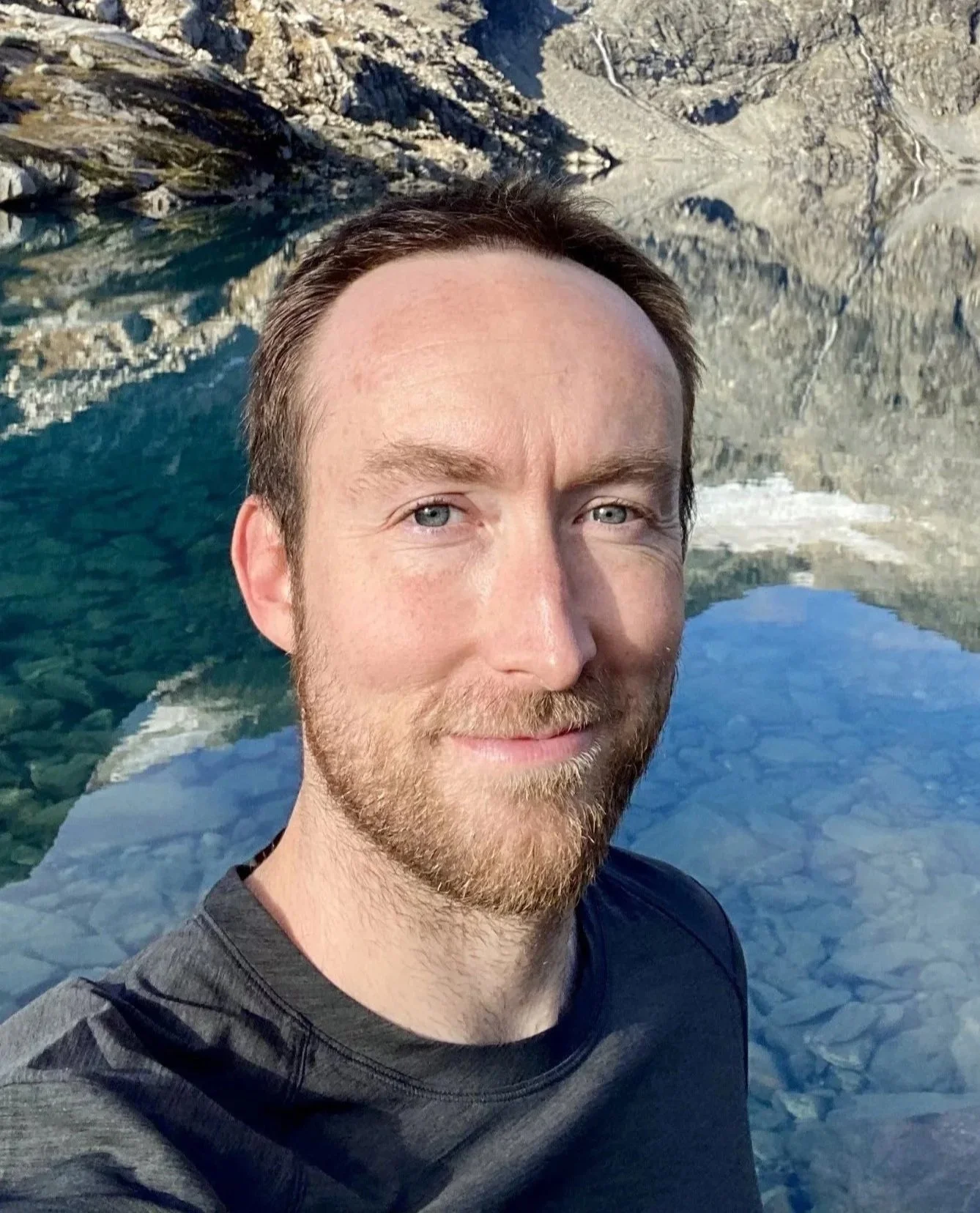
John C. Hammond
USGS MD-DE-DC Water Science Center
Research HydrologistRead More
John is a research hydrologist with the U.S. Geological Survey who studies hydroclimatic variability and trends, seasonal snow dynamics, empirical streamflow relationships across scales, and uses machine learning and satellite remote sensing to improve hydrological forecasting capabilities. His current projects include improving snow process representation in hydrologic models, characterizing and forecasting hydrologic drought, assessing patterns and drivers of non-perennial flow, and better understanding headwater streamflow generation patterns in space and time. John obtained his Ph.D. in Watershed Science from Colorado State University.
-
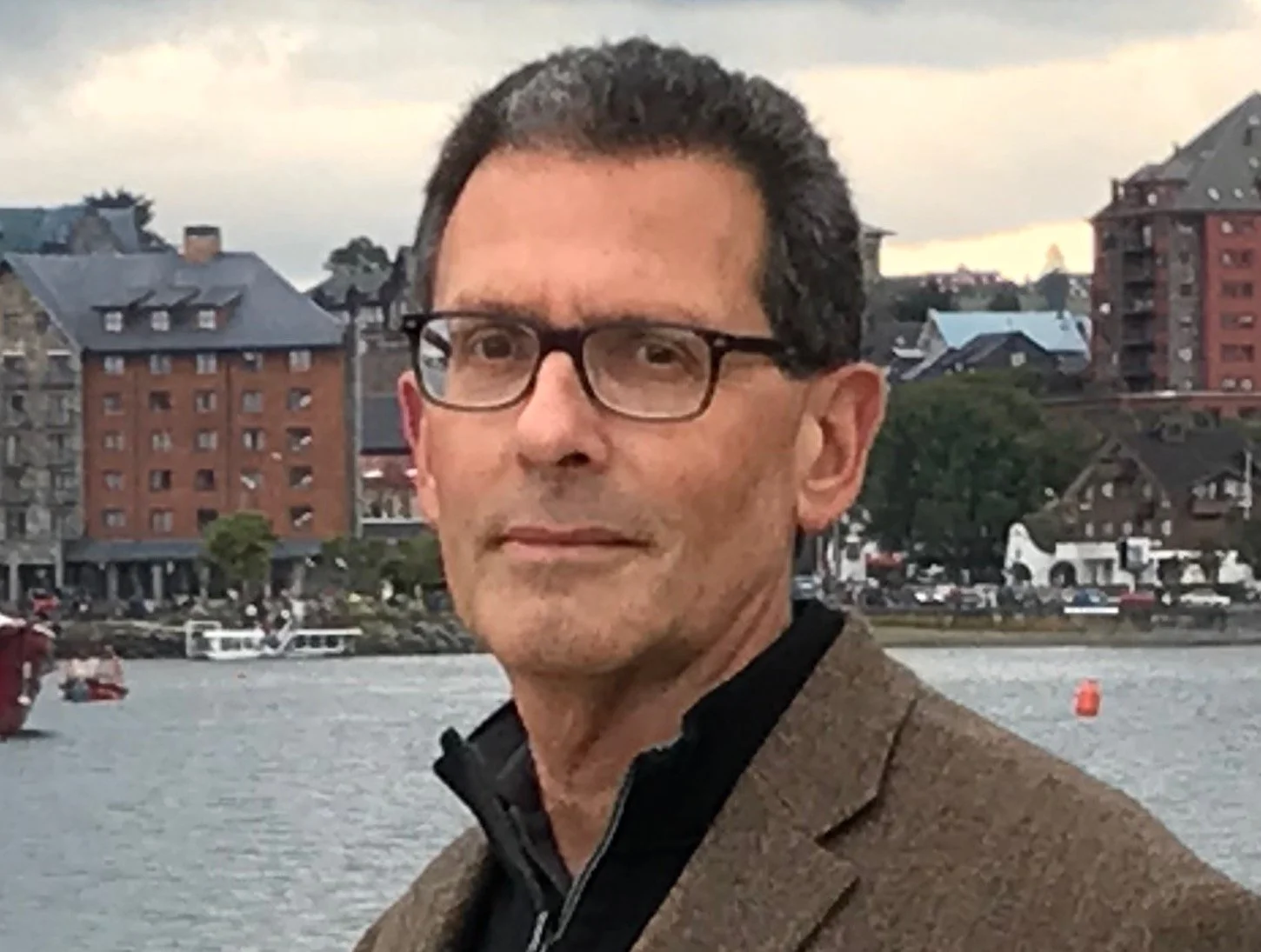
Lawrence Band
University of Virginia
Ern Professor of Environmental ScienceRead More
Larry Band is the Ernest Ern Professor of Environmental Science and Professor of Civil and Environmental Engineering at the University of Virginia. Band’s research spans watershed hydrology, geomorphology, and ecosystems. His work includes a focus on ecohydrology of forest and urban watersheds, water supply and the use of principles learned from the self-organization of unmanaged catchments as design guidelines for developing more sustainable urban and rural landscapes. Band has worked in field sites in the US, Canada, Australia, China and Nepal and has consulted with federal, state, provincial and municipal agencies in the US and Canada on watershed protection and supply, forest health, carbon and nutrient cycling and sequestration, stormwater and ecosystem restoration.
Band is a Fellow of the American Geophysical Union and Geological Society of America (GSA). He was the 2014 GSA Birdsall-Dreiss Distinguished Lecturer, giving 50 talks on the effects of climate and land use on the provision of freshwater supplies and carbon sequestration in forest watersheds, and on groundwater in urban ecosystems.
-
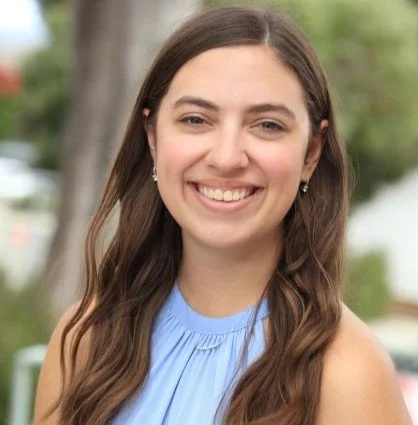
Sydney Samples
Water Research Foundation
Research PrincipalRead More
Sydney has a master's in international environmental policy with a specialization in Natural Resources Policy and Management from the Middlebury Institute. At The Water Research Foundation, she manages a variety of research projects covering topics such as intelligent water systems, water resources planning, finance, and harmful algal blooms.
-
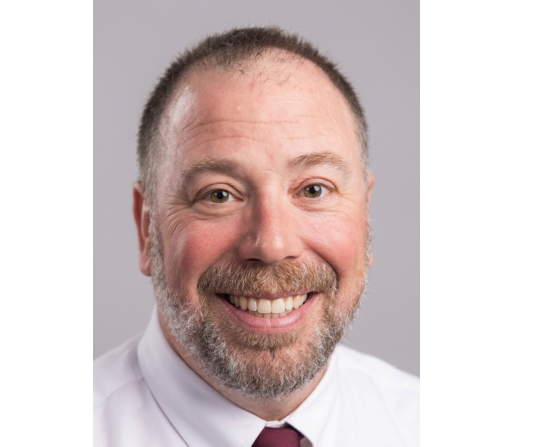
Clayton Wise
Hampton Roads Sanitation District (HRSD)
Digital Water EngineerRead More
Clayton Wise is a Digital Water Engineer at the Hampton Roads Sanitation District (HRSD), where he focuses on advancing data-driven approaches to water resource management and utility operations. With a background spanning data science, geospatial analytics, and enterprise technology, Clay works at the intersection of digital innovation and water systems.
At HRSD, his work includes integrating environmental and infrastructure data, developing predictive models, and enabling real-time decision support to improve water quality, system performance, and long-term planning. He has played a key role in modernizing data platforms and advancing the utility’s digital transformation efforts.
Clay also serves as an Adjunct Instructor at Tidewater Community College and Old Dominion University, teaching GIS, Remote Sensing, and Environmental Geography. Clay is also a Ph.D. Candidate in Geospatial and Environmental Analysis at Virginia Tech. His work centers on applying emerging technologies to build more resilient, efficient, and sustainable water systems.
Concurrent Sessions
Session 1: Advances in Water Management Technologies
A Probabilistic Machine Learning Approach for Enhancing Flash Flood Forecasting
Presenters: Alfonso Mejia, PhD, Professor, and Amirmoez Pirmohammadjamaat, PhD Student, Civil and Environmental Engineering, Penn State University, University Park, PA
Improvements to GMU iFlood Using Machine Learning for Real-Time Flood Modeling Corrections
Presenter: P. J. Ruess, PhD, Department of Civil, Environmental, and Infrastructure Engineering and Department of Atmospheric, Oceanic and Earth Sciences, George Mason University, Fairfax, VA.
Joint Assimilation of Land Surface Temperature and Soil Moisture for Farm-Scale Subsurface Flux Estimation
Presenters: Emad Mashayekh, PhD Candidate and Leila Farhadi, PhD, Associate Professor, Department of Civil and Environmental Engineering, The George Washington University, Washington, D.C.
Remote Sensing of Water Quality in a Small Inland Water System: A Case Study of George Mason University Stormwater Retention Pond
Presenter: Dinesh Neupane, Graduate Student, Department of Civil, Environmental, and Infrastructure Engineering, George Mason University, Fairfax VA
Unsaturated Soils: Predicting Urban Slope Failures to Protect Potomac Ecosystems
Presenters: Nasya Irigollen-Rodriguez, Md Rajibur Rahman, Yonathan Weldegebriel, Research Assistants, and Dr. Ujwalkumar Patil, Dr. Max Denis, Associate Professors, University of the District of Columbia, Washington, D.C.
Session 2: Futuristic Water Management Concepts
Can We Use Streamflow Elasticity Concepts to More Effectively Anticipate Hydrological Response to Climate Change?
Presenters:Alexander Joseph Lastner and Dr. Karen L. Prestegaard, Department of Geology, University of Maryland, College Park, MD
Managed Aquifer Recharge (MAR) System Using Wastewater: Challenges and Opportunities
Presenter: Zhuping Sheng, PhD, Professor, Anita Baah, and Donghee Kang, PhD, Associate Professor, Department of Civil and Environmental Engineering, Morgan State University, Baltimore, MD
Interpreting Data Center Water Use for Smarter Water Planning
Presenter: Julia Davis, PhD Candidate, Civil and Environmental Engineering, University of Virginia, Charlottesville, VA
Wargaming Water – Data Centers & the Capitol Critical Infrastructure Breakpoint
Presenter: Dominic Palumbo, Analyst, Federal Civilian Market, Maximus Inc., Fairfax, VA
Water-Ai Nexus – Understanding our Water Footprint
Presenter: Alex Passini, Vice President, CSA Group, Miami, FL
Session 3: Coping with Emerging Water Supply/Quality Challenges
A Comparative Analysis of Water Supply Modeling Approaches in the Potomac River Basin
Presenter: Phoebe Aron, PhD, Senior Principal Scientist, Josh Weiss, PhD, Director of Water Resources Innovation, Hazen and Sawyer, Baltimore, MD
Advantages of a Vertically Oriented External Tubular Membrane for Decentralized Treatment and Reuse Systems
Presenters: Jeff Danner, PhD, Director of Process Engineering, Innovatreat, Chapel Hill, NC, and Rob Kershner, Chief Executive Officer, Innovatreat, Owings Mills, MD
Comparative Effect of PFAS on Aquatic Epiphytic Biofilm (Long and Short Term)
Presenters: Abigail Mwin-nea Samwini, PhD Student, Donghee Kang, PhD, Associate Professor, Department of Civil and Environmental Engineering, Morgan State University, Baltimore, MD
PFAS Remediation Using Biochar-Modified Magnetic Nanoparticles: A Sustainable Approach for Wastewater Treatment
Presenter: Nko Okina Solomon, Senior Environmental Health Specialist, Department of Civil Engineering, Morgan State University, Baltimore, MD.
Evaluating Water Security, Quality, and Trust Among Households in Washington, D.C.
Presenters: Alicia Cooperman, PhD, The George Washington University and Tolessa Deksissa, PhD, Director of Water Resources Research Institute, University of the District of Columbia, Washington, D.C.
Strategies to Prevent Road Salt Impact on Drinking Water and Ecosystems
Presenter: Rebecca Murphy, Coastal Program Manager, Northern Virginia Regional Commission, Fairfax, VA.
Session 4: Watershed Assessment & Nature-Based Solutions
Investigating Urbanization Influence on Mineral and Infrastructure Weathering and its Impact on Water Quality in an Urban Watershed Using Reactive Transport Simulation
Presenters: Kehinde Bosikun, Research Assistant, Claire Welty, PhD, Director, Department of Chemical, Biochemical, and Environmental Engineering and Center for Urban Environmental Research and Education, University of Maryland Baltimore County (UMBC), Baltimore, MD and Joel Moore, Department of Physics, Astronomy, and Geosciences, Towson University, Towson, MD.
Evaluating the Impact of Real-Time Control on the Performance of Stormwater Green Infrastructure
Presenter: Fadi Gabbani, PhD Candidate, The Catholic University of America, Washington, D.C.
Nature-Based Solutions for Urban Stormwater Management
Presenters: Yogesh Bhattarai, PhD Candidate/Researcher, Sanjib Sharma, PhD, Assistant Professor, Department of Civil and Environmental Engineering, Howard University, Washington, D.C.
Equity Considerations for Floodplain Management: State and Federal Emergency Nexus
Presenter: Ummekulsoom Lalani, MPP, PMP, ENV SP, Project Manager, Equity & Resilience Policy, AtkinsRéalis, Washington, D.C.
Flood and Nutrient Management Co-Benefits of Basin-Wide Nature-Based Adaptations
Presenters: Alfonso Mejia, Professor, Civil and Environmental Engineering Department, and Abolfazl Hojjat Ansari, PhD Student, Cibin Raj, Associate Professor, Agricultural and Biological Engineering Department, Penn State University, University Park, PA
Urban Hydrology and Food Self-Provisioning: The Case for Aquaponics in Washington, D.C.
Presenter: Christopher Iweriebor, Graduate Research Coordinator, Urban Foodways, College of Agriculture, Urban Sustainability and Environmental Sciences, University of the District of Columbia, Washington, D.C.
Poster Displays
AWRA-NCRS will give away three (3) awards and certificates to the poster competition winners
A Data-Driven Framework for Equitable Implementation of Stormwater Best Management Practices in U.S. Cities
Joyceline Adom Frimpong, Yogesh Bhattarai, Sharma Sanjib, Sara Kamanmalek, Department of Civil and Environmental Engineering, Howard University, Washington, D.C.
A Scoping Review of Operational Characteristics and Public Health Applications of Aviation Wastewater Surveillance
Augustin Martin, Caitlin Walker, Erin Sorrell, Natalie Exum, Gigi Gronvall, Department of Environmental Health and Engineering, Johns Hopkins Bloomberg School of Public Health, Baltimore, MD
Assessing Vineyard Vulnerability to Future Heatwaves Using Different Heat Indices
Janani Kandasamy, Viviana Maggioni, Sid and Reva Dewberry Department of Civil, Environmental, and Infrastructure Engineering, George Mason University, Fairfax, VA.
Christian Massari, Research Institute of the Geo-Hydrological Protection (CNR), Perugia, Italy
Characterizing Precipitation Variability in High Mountain Asia Using Satellite and Reanalysis Data
Bushra Mahzabin, Malihe Nasibi, Sean Noh, Viviana Maggioni, Department of Civil, Environmental, and Infrastructure Engineering, George Mason University, Fairfax, VA.
Climate-Dependent Performance of Floating Covers for Reducing Evaporation from Shallow Water Reservoirs
Emad Mashayekh, Leila Farhadi, Department of Civil and Environmental Engineering, The George Washington University, Washington D.C.
Milad Aminzadeh, Institute of Geo-Hydroinformatics, The Hamburg University of Technology, Hamburg, Germany, and United Nations University Hub on Engineering to Face Climate Change, The Hamburg University of Technology, United Nations University Institute for Water, Environment, and Health (UNU-INWEH), Hamburg, Germany.
Documenting Local Flooding Experiences and Infrastructure Vulnerabilities Through Participatory Mapping in Edmonston, Maryland
Ingrid Moreira Campos, Marccus Hendricks, Priscila B. R. Alves, Higor Costa de Brito, Mauro Normando Barros Filho, Stormwater Infrastructure Resilience and Justice (SIRJ) Lab, School of Architecture, Planning, & Preservation, University of Maryland, College Park, MD
Adriano Rolim da Paz, Department of Civil and Environmental Engineering, The Federal University of Paraíba, João Pessoa, Brazil
Iana A.Rufino, Department of Civil and Environmental Engineering, The Federal University of Campina Grande, Campina Grande, Brazil
Effectiveness of Green Infrastructures in Removing 6PPD-Q: Literature Review
Roxane Chidlaw, Nancy Reyes, Sania Rose, and Tolessa Deksissa, PhD, College of Agriculture and Urban Sustainability and Environmental Sciences (CAUSES), University of the District of Columbia, Washington, D.C.
Engineered Poultry-Litter Biochar for Efficient Removal of Perfluorooctane Sulfonate (PFOS) from Water
Md Nashir Uddin, Bashir Talukder, Benjamin Winstead, Laiyalee Santana James G Hunter, Zhuping Sheng, Donghee Kang, Department of Civil and Environmental Engineering, Morgan State University, Baltimore, MD.
Extreme Rainfall and Flash-Flood Estimation in Mongolia’s Gobi Region Using Generalized Extreme Value (GEV) Modeling
Myagmarsuren Bat-Erdene, Department of Geography, School of Arts and Sciences, Munkhtsetseg Zorigt, Erdenesukh Sumiya, Department of Meteorology and Hydrology, Division of Natural Sciences, School of Arts and Sciences, National University of Mongolia, Ulaanbaatar, Mongolia.
Oyunbaatar Dambaravjaa, Hydrological Research Division, Information and Research Institute of Meteorology, Hydrology, and Environment, Ulaanbaatar, Mongolia.
Dorjsuren Dechinlkhundev, Fresh Water Institute, Ulaanbaatar, Mongolia.
Michael Nones, Department of Hydrology and Hydrodynamics, Institute of Geophysics, Polish Academy of Sciences, Warszawa, Poland.
Erick Erhembilig Khatanbaatar, Washington-Liberty High School.
Finding Environmental Contributors of E. coli Sources with Sensors (FECES) in the Anacostia Watershed
Megan Stallard, PhD, Rebecca Hale, PhD, Katrina Lohan, PhD, Smithsonian Environmental Research Center (SERC), Edgewater, MD.
Maureen Mitchell, Derek Shea, Alyssa Freedman, Anacostia Riverkeeper, Washington, D.C.
Richard Francis and Tiara Matthews, Plantation Park Height Urban Farm, Baltimore, MD.
From Monthly Records to Real-Time Insights: Advancing Watershed Monitoring at SERC
Bianca Sanchez, Rebecca Hale, Lydia LaGorga, Carey Pelc, Roy Rich, Smithsonian Environmental Research Center (SERC), Edgewater, MD.
How Reliable Are Satellite Rainfall Estimates During Hydrologic Extremes?
Abdulsalam Kalonji, Sarah Khalil, Sanjib Sharma, Howard University, Washington, D.C.
Impervious Surface Density and Spatial Clustering of Sanitary Sewer Overflows in Baltimore City
Raisa Haq, Nick An, Kathryn P Dixon, Claire M. Barlow, Brienna L. Anderson-Coughlin, and Rachel E. Rosenberg Goldstein, Department of Global, Environmental, and Occupational Health, School of Public Health, University of Maryland, College Park, MD.
Priscila B. R. Alves and Marccus D. Hendricks, Stormwater Infrastructure Resilience and Justice (SIRJ) Lab, School of Architecture, Planning, & Preservation, University of Maryland, College Park, MD.
Lead Contamination in Washington, DC Drinking Water: Historical Drivers, Health Impacts, and Mitigation Strategies
Olivia Howard and Tolessa Deksissa, PhD, College of Agriculture, Urban Sustainability and Environmental Sciences (CAUSES), University of the District of Columbia, Washington, D.C.
Local Precipitation Trends and Inputs to the Rhode River Watershed
Carey Pelc, Cindy Gilmour, Rebecca Hale, Smithsonian Environmental Research Center, Edgewater, MD.
Mapping Community Values and Flood Exposure in a Coastal–Urban Community: A Case Study of Pocomoke City, Maryland.
Diana Veronez, Andre de S. de Lima, Thiago Neiva, Rafael Bendo, Celso M. Ferreira, P. J. Ruess, Department of Civil, Environmental, and Infrastructure Engineering, George Mason University, Fairfax, VA.
P. J. Ruess, Department of Atmospheric, Oceanic & Earth Sciences, George Mason University, Fairfax, VA.
Zeeshan Khalid, College of Engineering and Computing, George Mason University, Fairfax, VA.
Open Source RShiny tool for Automatic and Manual Cleaning of Continuous Sensor Data
Lydia LaGorga, Dr. Rebecca Hale, Smithsonian Environmental Research Center (SERC), Edgewater, MD.
Probabilistic Slope Stability: Quantifying Urban Soil Uncertainty to Shield Potomac Ecosystems
Yonathan Weldegebriel, Md Rajibur Rahman, Nasya Irigollen-Rodriguez, Samuel Mather, Ujwalkumar D. Patil, Pradeep K Behera, University of the District of Columbia, Washington, D.C.
Safeguarding the Capital's Water Future: The DC Pure Water Initiative
Danielle Simmons and Tolessa Deksissa, PhD, College of Agriculture and Urban Sustainability and Environmental Sciences (CAUSES), University of the District of Columbia, Washington, D.C.
Technology Gap for Monitoring and Treatment of PFAS in Water: A Literature Review
Christian Luna, Nadia Chichester, and Tolessa Deksissa, PhD, College of Agriculture, Urban Sustainability and Environmental Sciences (CAUSES), University of the District of Columbia, Washington, D.C.
Temporal Changes in Storm Runoff in Urban and Non-Urban Small Catchments
Jennie Mullen, Sam Brown, Alli Stavely, Evelynn McNeil, Alex Lastner, Karen Prestegaard, University of Maryland, College Park, MD.
Urban Flood Risk Assessment Using Coupled Hydraulic and Spatial Analysis
Thiago Augusto Neiva de Lima, Civil, Environmental, and Infrastructure Engineering (CEIE), George Mason University, Fairfax, VA.
Urban Unsaturated Soils and Streambank Response: Linking Soil Water Retention Curves to Runoff and Erosion in the Metropolitan Washington, D.C. Area
Nasya Irigollen-Rodriguez, Md Rajibur Rahman, Janel Baxter, Ujwalkumar D. Patil, Pradeep K. Behera, University of the District of Columbia, Washington, D.C.
Wastewater from the Textile and Fashion Industry and its Impacts on Urban Sewage Systems and Water Infrastructure
Sajwa Prather, College of Agriculture, Urban Sustainability and Environmental Sciences (CAUSES), University of the District of Columbia, Washington, D.C.
Location Information

Click above image for directions
University of The District of Columbia
UDC Student Center - Level 1
4200 Connecticut Ave NW, Washington, DC 20008
Transportation
Van Ness-UDC Metro Station
Campus Parking Garage - Entrance on Van Ness St.
Our Sponsors, Exhibitors, and Partners!








AWRA-NCRS
Board of Directors and Symposium Committee
Contact: Norelis Florentino, VP and Symposium Chair
nflorentino@dewberry.com