

AWRA NCRS Symposium 2024
12th Annual AWRA National Capital Region Water Resources Symposium
April 12, 2024
Federal Funding Access for Emerging Water Resources and Water Infrastructure Challenges
University of the District of Columbia, David A. Clarke School of Law
Washington, D.C.
The 12th National Capital Region Water Resources Symposium was held on April 12, 2024, at the University of the District of Columbia. This one-day symposium brought together experts from governmental agencies, academia, the private sector, and nonprofit organizations to discuss challenges and opportunities for sustainable management of water resources and infrastructure in the region, as well as nationally and internationally.
You can view/download the full program for the symposium here.
Opening Keynote Speaker
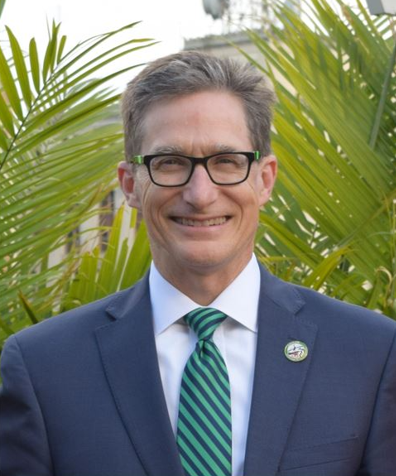
Ben Grumbles
Executive Director, Environmental Council of the States
Ben Grumbles is Executive Director of the Environmental Council of the States (ECOS), the national nonpartisan nonprofit association of the top appointed environmental official for each of the 50 states, DC, and the territories. From 2015 to May 2022, he was Secretary of the Environment for Maryland, serving as Chair of the Governor’s Chesapeake Bay Cabinet and the Maryland Climate Change Commission and Executive Committee Member of the Regional Greenhouse Gas Initiative. Grumbles has also served as President of the US Water Alliance, Director of Arizona Department of Environmental Quality, US EPA Assistant Administrator for Water, and Senior Staff and Counsel for the Transportation and Infrastructure and Science Committees in the U.S. Congress.
-
He is an appointed advisor to the Division of Earth and Life Studies within the National Academies (Sciences, Engineering, Medicine) and a graduate of Wake Forest University, Emory University Law School (JD), and The George Washington University Law School (LLM).
Luncheon Keynote Speaker
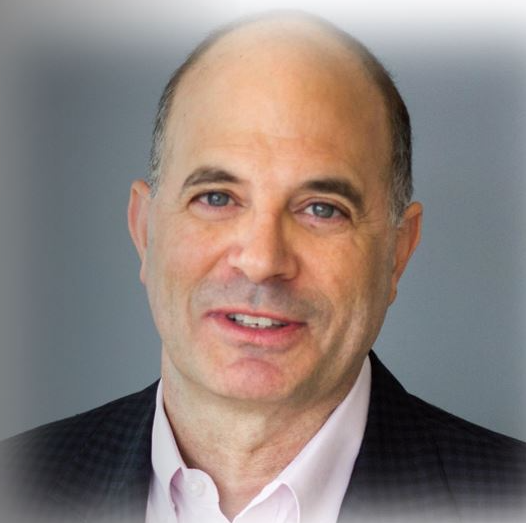
Charles Fishman
Journalist and Author
Charles Fishman is a journalist and author who has over the last decade become one of the most forceful, challenging, and inspiring public voices on water issues, speaking everywhere from MIT and UCLA to Hershey Chocolate and the U.S. State Department. Fishman’s book, “The Big Thirst: The secret life & turbulent future of water,” has become the best-selling water book in a generation and is changing how people think about water and how they manage it. “The Big Thirst” does something few water books do — it restores a sense of wonder about water, along with a sense of urgency.
-
Fishman, a former reporter for The Washington Post, is the author of three other New York Times bestsellers, “One Giant Leap,” about how we got to the Moon in the 1960s; “The Wal-Mart Effect,” about Wal-Mart’s impact on how we live; and “A Curious Mind,” about the power of curiosity, with Hollywood producer Brian Grazer. Fishman grew up in Miami, Florida, and graduated from Harvard. He lives in northwest Washington, DC, with his wife, also a journalist; a two-foot-wide creek runs through their backyard.
Plenary Session Expert Panelists
-
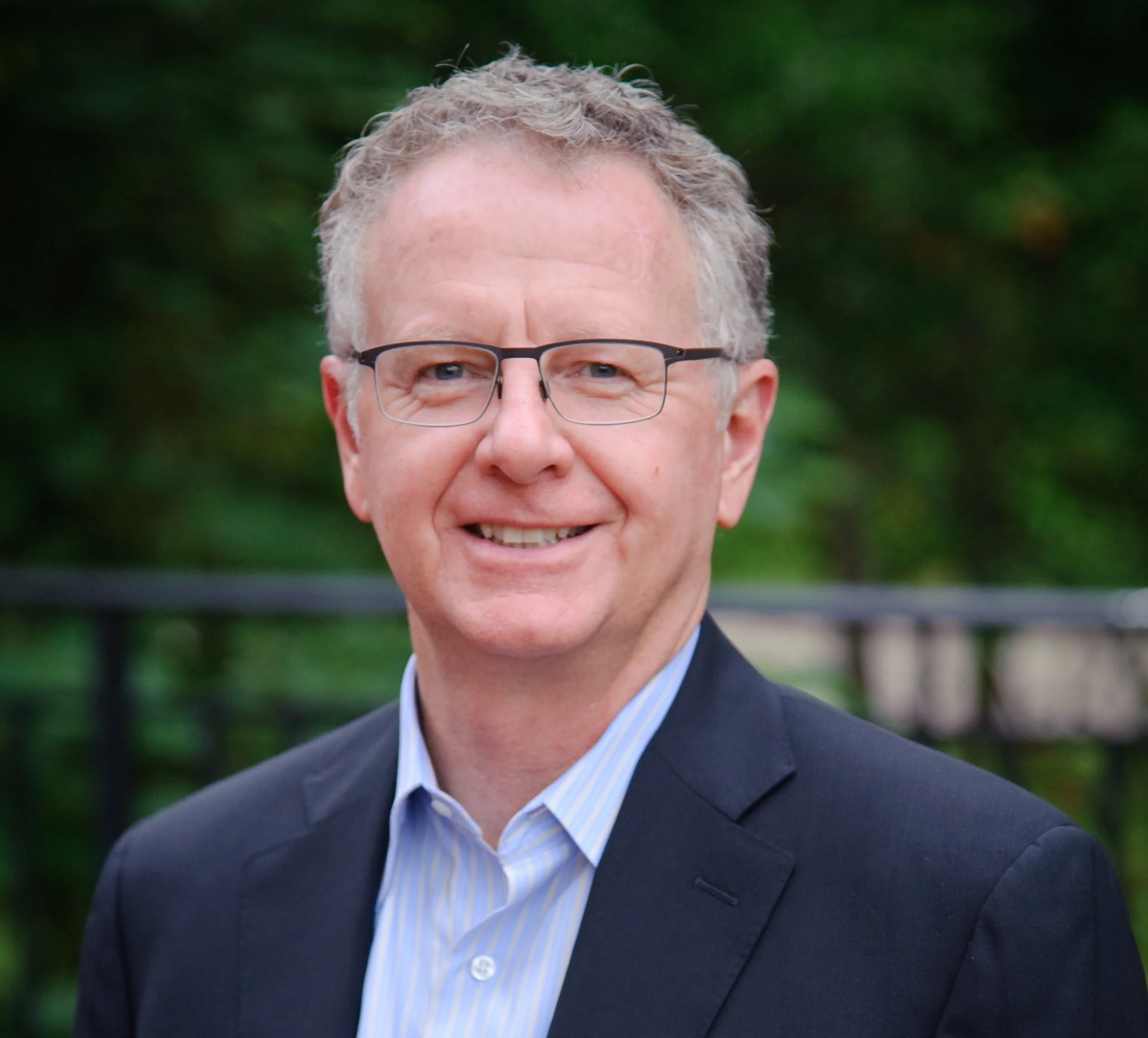
Michael Deane
U.S. Environmental Protection Agency (USEPA)
Chief of the Clean Water State Revolving Fund programRead More
Michael Deane is Chief of the Clean Water State Revolving Fund program with the U.S. Environmental Protection Agency. Prior to returning to EPA, he was the Executive Director of the National Association of Water Companies, the organization representing private water utilities and operating companies in the U.S. Before joining NAWC in 2009, he was Associate Assistant Administrator for Water in the EPA where he played a key role in developing and implementing national water policy. Previous to his appointment to EPA in 2006, he served as an executive at several water management companies, including SUEZ and Veolia, where he focused on innovative financing and infrastructure policy. He holds a Master of Environmental Management degree from the Duke University Nicholas School of the Environment and his bachelor’s degree in biology and geography from Gustavus Adolphus College.
-
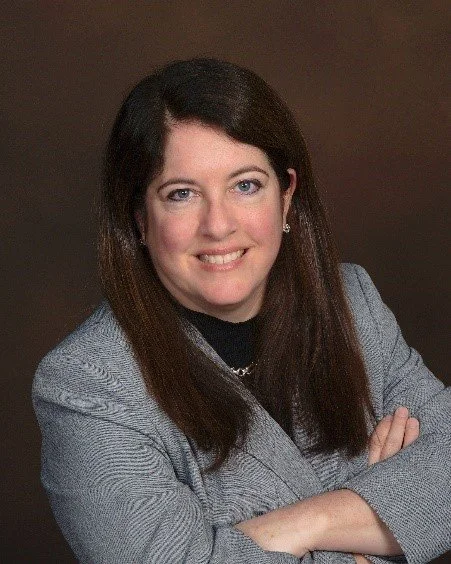
Mary Kay (MK) Foley
US Geological Survey (USGS)
Center Director of the Maryland-Delaware-DC Water Science Center (WSC)Read More
Mary Kay (MK) Foley, P.E., PMP is currently the Center Director of the US Geological Survey Maryland-Delaware-DC Water Science Center (WSC). The WSC includes approximately one hundred scientists and technicians engaged in collecting and interpreting water data including surface water, groundwater, water use, and water quality. High profile projects include Chesapeake Bay water quality trend analysis, National Water Quality Assessments, and data collection and analysis for multiple Federal, State, County, local governments, and research partners. Mary Kay is responsible for science direction, and all financial, human capital, and technology management for the Center. Mary Kay joined the USGS in 2015 after twenty-three years with the US Army. Mary Kay spent eleven years with the US Army Corps of Engineers (Buffalo District) working as hydrologist, project engineer, and project manager for water resource and hazardous waste cleanup projects. She spent twelve years working for the Army in Germany as Environmental Division Chief at the Army Garrison Mannheim, and as the US Army European Region Cleanup program manager in Sembach Germany. She received her Bachelor’s and Master’s Degree in Civil Engineering from SUNY Buffalo, and is a licensed Professional Engineer and certified Project Management Professional.
-
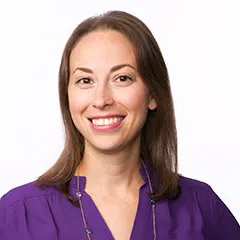
Becky Hammer
Natural Resources Defense Council (NRDC)
Senior Attorney and the Deputy Director of Federal Water PolicyRead More
Becky Hammer is a Senior Attorney and the Deputy Director of Federal Water Policy for NRDC (the Natural Resources Defense Council). She uses litigation and advocacy to ensure safe and sufficient water for all, with a special emphasis on wastewater and stormwater infrastructure funding and regulation, wetland protections, nature-based climate solutions, and other Clean Water Act issues. Becky also serves as the director of NRDC’s Brewers for Clean Water campaign. Prior to joining NRDC in 2009, Becky interned at the U.S. Environmental Protection Agency. Becky is a graduate of Harvard College and Harvard Law School. She is based in Washington, D.C.
-
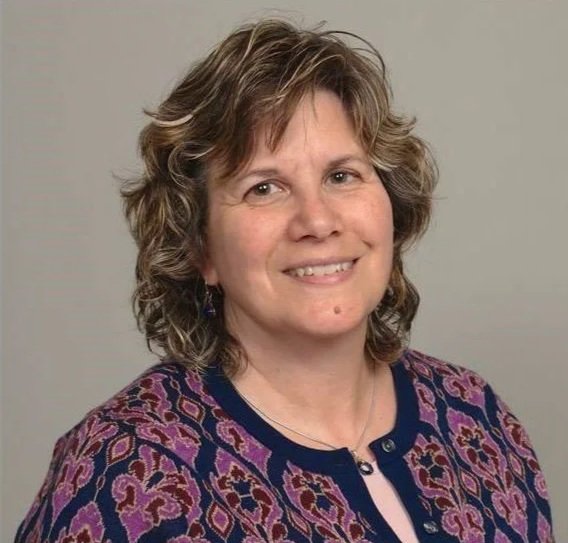
Michelle M. Lorah
US Geological Survey (USGS)
Research Hydrologist at the Maryland-Delaware-DC Water Science Center
Read MoreDr. Michelle M. Lorah is a Research Hydrologist at the U.S Geological Survey (USGS) MD-DE-DC Water Science Center where she leads the Fate and Bioremediation Team. Michelle has extensive experience in studying biodegradation processes and determining environmental factors controlling the fate of organic contaminants. Her research has led to the development and testing of bioremediation technologies. Michelle has a central role in PFAS research at the USGS as a co-lead for the national PFAS Integrated Science Team under the Environmental Health Program and a co-lead of the Northeast Region PFAS Capability Team. Current studies are predominantly focused on PFAS fate and transport for several USGS programs, the Department of Defense, and USEPA. These studies benefit from multiple collaborations with academia and private companies through Water Resources Research Act grants, Cooperative Ecosystem Studies Unit grants, and a Cooperative Research and Development Agreement. She received a Ph.D. in Environmental Chemistry through the Marine-Estuarine-Environmental Sciences Program at the University of Maryland, M.S. in Environmental Science from the University of Virginia, and B.S. in Geosciences and Marine Science from Penn State.
-
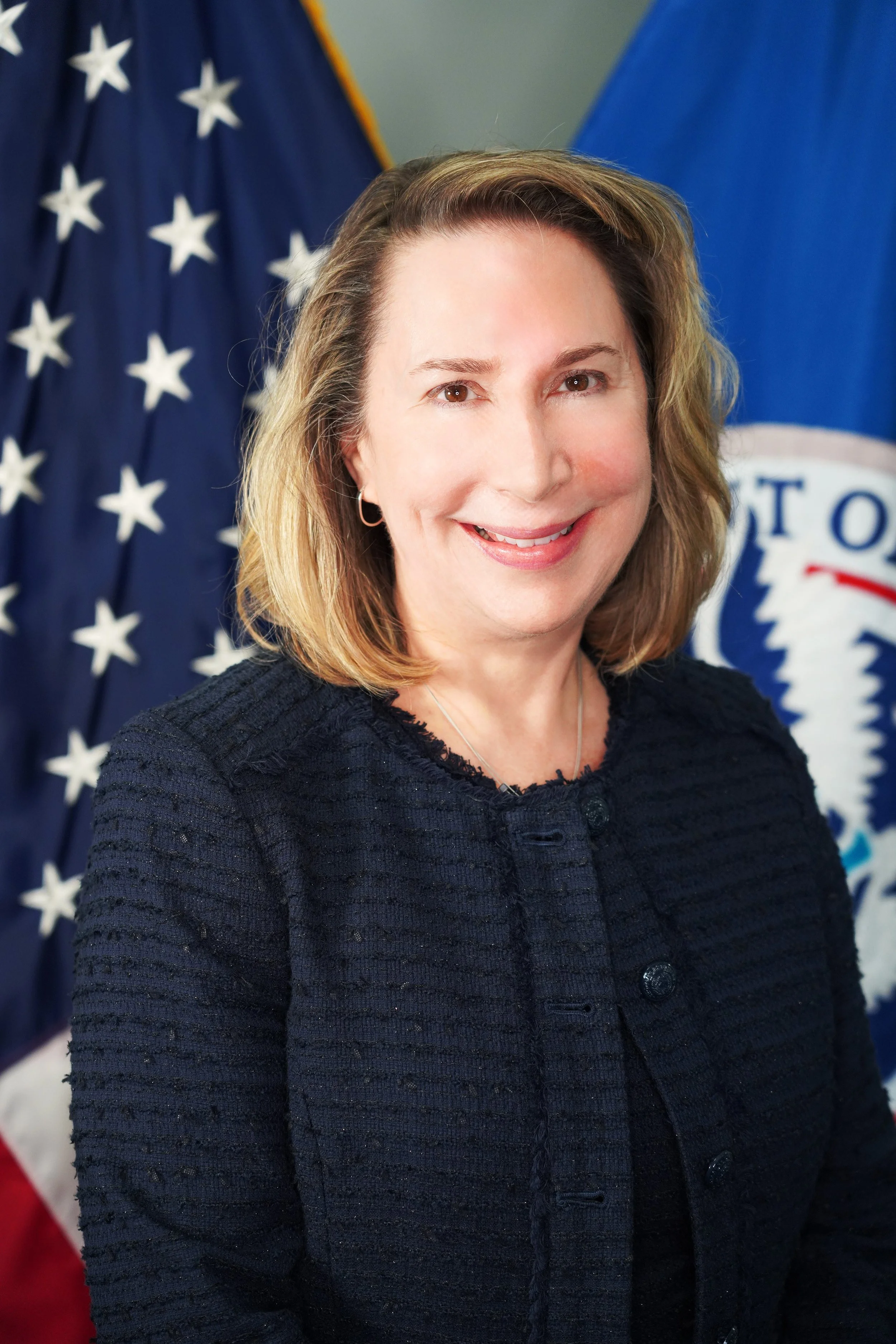
Samantha A. Medlock
Federal Emergency Management agency (FEMA)
Assistant Administrator for Resilience Strategy
Read MoreSamantha A. Medlock serves as the Assistant Administrator for Resilience Strategy, overseeing policy, doctrine, strategy, and evaluation efforts for the entire FEMA Resilience organization. The mission of Resilience is to prepare communities, reduce suffering, and speed recovery. Prior to joining the executive service, Ms. Medlock was senior counsel to the House of Representatives Select Committee on the Climate Crisis during the 116th and 117th Congresses, leading work on resilience, adaptation, and preparedness, including managing the Committee’s science, public health, infrastructure, housing, finance, and national security portfolios. She joined the Committee from a private sector role in climate risk management, insurance, and finance. Ms. Medlock served as a senior advisor in the White House Office of Management and Budget and deputy director for the Council on Environmental Quality, coordinating resilience policy across the Executive Office of the President and the Administration, modernizing federal flood policy, and steering partnerships with local leaders and the private sector. Ms. Medlock has more than 25 years of experience in land use and disaster law and policy, and has testified in Congress on flood risk, levee safety, and resilient recovery from disasters. She is a recipient of the Army Commander’s Award for Public Service for her service on the National Committee on Levee Safety created by Congress after Hurricane Katrina.
Concurrent Sessions
Session 1: Advances in Water Resources Management
Prediction of Catchment-Scale Efficiency of Stormwater Control Measures in an Urban Watershed Using a Process-Based Modelling Approach
Presenter: Arash Massoudieh, PhD, Professor and Chair, Civil and Environmental Engineering Department, The Catholic University of America
Interagency Cooperation to Develop the DC Integrated Flood Model
Presenters: Christine Estes, PE, PMP, CFM, Vice President, Engineering Department Manager – AECOM and Lily Cheng, LED, AP, CPHD, Flood Resilience Planner, DC Department of Energy and Environment
Mapping Evapotranspiration and Recharge Flux from Satellite-Based Observations
Presenter: Asif Mahmood, Graduate Student, The George Washington University
Mitigating Capacity Loss due to Sedimentation through Active Reservoir Management
Presenters: Phoebe Aron, PhD, Principal Scientist, Hazen and Sawyer; Abby Bollinger, Assistant Engineer, Hazen and Sawyer
Session 2: Climate Change and Impacts
Future Climate-Informed NOAA Precipitation Frequency Atlas of the United States
Presenter: Mark Glaudemans, Chief, Water Resources Services Branch, National Weather Service.
Do Weather-Related Trends in Virginia Road Closures Correspond to Social Inequities and a Changing Climate?
Presenter: P. J. Ruess, PhD, Postdoctoral Research Fellow, Virginia Climate Center, George Mason University
Impact of Different Spatial Scales on Precipitation Trends and Patterns in the US Mid-Atlantic Region
Presenters: Ridwana Binte Sharif, PhD, Graduate Research and Teaching Assistant, Department of Civil, Environmental, and Infrastructure Engineering, George Mason University; Viviana Maggioni, PhD, Assistant Professor, Department of Civil, Environmental, and Infrastructure Engineering, George Mason University
Without Water There Is No Agriculture: USDA-NIFA—Working to Solve Agricultural Water Issues
Presenter: James Dobrowolski, PhD, National Program Leader for Water and Natural Resources, United States Department of Agriculture, National Institute of Food and Agriculture (USDA-NIFA)
Session 3: Advances in Water Quality Management
Assessing Water Quality Trends and Impact of Clean River Projects in Restoring DC Water Ways
Presenters: Tolessa Deksissa, PhD, Director of Water Resources Research Institute, University of the District of Columbia and Maureen Mitchell, Program Manager, Anacostia River Keeper.
Comparing Methods for Evaluating Water Quality Indicator Bacteria: Case Study on Municipal Water and Harvested Rainwater
Presenter: Brienna Anderson-Coughlin, PhD, Postdoctoral Associate, School of Public Health, Maryland Institute for Applied Environmental Health, University of Maryland.
Development of Spatial Statistical Models to Predict Water Quality Endpoints
Presenters: Carlington Wallace, PhD, Associate Director for Water Resources, Interstate Commission on the Potomac River Basin.
Re-Evaluating Toxics Impairments in the District of Columbia
Presenters: Timothy Schmitt, Principal and Senior Environmental Scientist, LimnoTech and Jonathan Champion, Associate Director, Water Quality Division, Department of Energy & Environment.
Session 4: Water System Operations
State of the System (SoS): Data-driven Water Operations Optimization
Presenter: Tamrat Bedane, PE, Manager, Water Operations, DC Water.
Session 5: Water Workforce Crisis Forum
Solving the Water Workforce Crisis with Returnships and Other Career Re-Entry Programs
Presenters: Cat Shrier, Ph.D., P.G., Founder, WaterCitizen Institute and Tami Forman, Founding Executive Director, PathForward.
Poster Displays
AWRA-NCRS will give away three (3) awards and certificates to the poster competition winners
A Comprehensive Look at Spatiotemporal Water Quality Variations in the Delaware River
Gianna Gervino, Megan Heffernan, Sofia Rivera, and Isabel Vasquez, Department of Civil and Environmental Engineering, Manhattan College, Riverdale, NY
Adapting Agriculture to Climate Change: Integrated Assessment and Sustainable Strategies in Viticulture
Janani Kandasamy, Viviana Maggioni, Sid and Reva Dewberry Department of Civil, Environmental, and Infrastructure Engineering, George Mason University, Fairfax
Christian Massari, Istituto di Ricerca per la Protezione Idrogeologica, Consiglio Nazionale delle Ricerche (CNR), Perugia, Italy
Paul Houser, Department of Geography and Geoinformation Science, George Mason University, Fairfax, VA
Advancing the Circular Nexus Solution: Future Technologies and Methods for PFAS Remediation in the Reduce, Reuse, Recycle Framework
Theressa Mason Ford and Tolessa Deksissa, University of the District of Columbia, Washington, D.C.
Augmenting Coastal Water Level Estimation by Merging Nadir-only Satellite Observations into a Storm Surge Model
Soelem Aafnan Bhuiyan, Graduate Research Assistant, Viviana Maggioni, Associate Professor, and Celso Ferreira, Associate Professor, George Mason University, Fairfax, VA
Automated Trash Detection with Computer Vision
Andrew Heller and Matthew Jacobs, Computer Science Department, The Catholic University of America, Washington, D.C.
Jessica Beck, Anna Basola, and Jason Davison, Civil and Environmental Engineering Department, The Catholic University of America, Washington, D.C.
Drinking and Irrigation Water Quality in Nepal: A Scoping Review
Alexander Choiniere, Leena Malayil, Suhana Chattopadhyay, and Nedelina Tchangalova, University of Maryland, College Park, MD
E. Coli bacteria Concentrations in District of Columbia Waters: An examination of environmental water quality predictors in 2023
Claire Barlow, Cher Dallal, and Jaime Trevitt, Department of Epidemiology & Biostatistics, University of Maryland, College Park, MD
Rachel Elizabeth Rosenberg Goldstein, Maryland Institute for Applied Environmental Health, University of Maryland, College Park, MD
Maureen Mitchell and Petra Baldwin, Anacostia Riverkeeper, Washington, D.C.
Increasing Extreme Rainfall Events in Baltimore, Washington, and Richmond: Implications for the Chesapeake Watershed and Groundwater Resources
Jaleel Shujath, PSM Candidate in Urban Sustainability, CAUSES, University of the District of Columbia, Washington, D.C.
Identification and Categorization of Microplastics in the Waters of the Anacostia and Potomac Rivers, Washington, D.C.
Ava Hanson, Alexis Lashbaugh, Andrew Wilps, and Dejun Chen, Environmental Metrology and Policy Program, Georgetown University, Washington, D.C.
Jesse Meiller, Earth Commons Institute, Georgetown University, Washington, D.C.
Indicator Bacteria in PG County Stream Samples
Riya Raikar, Brienna Anderson-Coughlin, PhD, Nick An, Taeilorae Levell-Young, and Rachel Elizabeth Rosenberg Goldstein, PhD, Water Quality, Outreach, and Wellness (WOW) Lab, Maryland Institute of Applied Environmental Health, University of Maryland School of Public Health, College Park, MD.
Priscila B. R. Alves, PhD and Marccus D. Hendricks, PhD, Stormwater Infrastructure Resilience and Justice (SIRJ) Lab, School of Architecture, Planning, and Preservation, University of Maryland, College Park, MD.
Interdisciplinary Perspectives in Watershed Management and Water Ecosystems
Bassan Nondohou, University of the District of Columbia, Washington, D.C.
Monitoring Trace Metals in DC Water Ways as a Tool for Water Quality Trend Analysis
Munu Momodu, Tolessa Deksissa, Sania Rose, and Sebhat Tefera, University of the District of Columbia, Washington, D.C.
Maureen Mitchell, Anacostia River Keeper, Washington, D.C.
Optimal Pump Operations in Building Water Systems
Jesus Mendez and Juneseok Lee, Civil and Environmental Engineering, Manhattan College, Riverdale, NY
Adell Moradi Sabzkouhi, Department of Hydraulic Engineering, Agricultural Sciences and Natural Resources University of Khuzestan, Iran.
Social and Environmental Vulnerability to Flooding: Investigating Cross-Scale Hypotheses
Selena Hinojos and Caitlin Grady, Department of Engineering Management and Systems Engineering, The George Washington University, Washington, D.C.
Lauren McPhillips, Departments of Civil & Environmental Engineering, Agricultural and Biological Engineering, The Pennsylvania State University, University Park, PA
Peter Stempel, Department of Landscape Architecture, The Pennsylvania State University, University Park, PA
Sustainable Urban Agriculture: The Triple Yield System
Nazia Nowshin, Jaleel Shujath, Medyaf Al Rousan, Annabelle Arnold, Lirane Mandjoupa, Mamatha Hanumappa, JiaJun Xu, Kibria Roman, William Hare, Hongmei Dang, Harris Trobman, Hossain Azam, PhD., P.E., Assoc. Professor, CE, School of Engineering and Applied Sciences, University of the District of Columbia, Washington, D.C.
Temporal and Spatial Variability of Radon Emissions from Wetland and Upland Ecosystems at the Smithsonian Environmental Research Center
Glory Ade Iorliam, Dr. Karen Knee (Thesis Advisor), American University Washington, D.C.
The Impact of Sanitary Sewer Overflows and Basement Backup Events on Bacterial Exposure in Urban Maryland from Summer - Fall 2023
Kathryn P Dixon, PhD Student, Maryland Institute for Applied Environmental Health, School of Public Health, University of Maryland, College Park, MD.
Urban Agriculture in Baltimore, Maryland: Documenting Current Irrigation Practices and Rainwater Harvesting
Julie Yang, Marina Costa, Abriana Segal, Niya Khanjar, Rachel Rosenberg Goldstein, University of Maryland, College Park, MD.
Kelsey Brooks, Marcus Williams, Neith Little, and Andrew Lazur, University of Maryland Extension, College Park, MD.
Location Information

Click above image for directions
University of The District of Columbia
UDC Student Center - Level 1
4200 Connecticut Ave NW, Washington, DC 20008
Thank You to Our Sponsors, Exhibitors, and Partners!



AWRA-NCRS
Board of Directors and Symposium Committee
Contact: Norelis Florentino, VP and Symposium Chair
info@awrancrs.org